Deadhead Brush Font: Authentic Script for Digital Campaigns
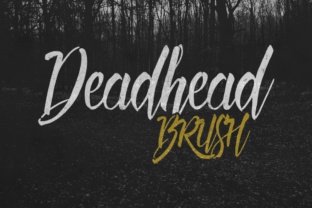
In the fast-paced world of digital marketing, capturing attention within a fraction of a second is the primary objective. As content creators and social media managers, we constantly seek design assets that break through the noise of polished, algorithmic perfection. The Deadhead Brush font offers a distinct solution to this challenge. Crafted from traditional hand-lettering with a paint brush, this typeface brings a raw, tactile energy to digital screens. Its rough and jagged edges provide a natural feeling that sterile vector graphics often lack, making it an essential tool for marketers aiming to humanize their brand communication.
Cultivating Authenticity in Visual Communication
Modern audiences have developed a keen radar for artificiality. When scrolling through Instagram feeds or YouTube recommendations, users are more likely to engage with visuals that feel handmade and personal rather than corporate and manufactured. Deadhead Brush excels in this environment because it retains the imperfections of physical media. The ink splatters, uneven baselines, and organic strokes signal authenticity. For a marketing specialist, this font is not merely a stylistic choice; it is a strategic asset for building trust.
When used in campaign graphics, this script font conveys warmth and approachability. It suggests that there is a real person behind the brand, which is particularly valuable for small businesses, personal brands, and artisanal products. Unlike standard display fonts that can feel distant, Deadhead Bridge creates an immediate emotional connection. This psychological impact translates directly to higher engagement rates on social platforms where emotional resonance drives likes, shares, and saves.
Strategic Applications Across Digital Platforms
Versatility is key when selecting premium fonts for a marketing toolkit. Deadhead Brush performs exceptionally well across various digital touchpoints, provided it is applied with intention. Its bold, textured nature makes it ideal for high-impact, short-form text rather than long paragraphs.
- Social Media Graphics: Use this handwritten font for Instagram carousel covers or Pinterest pin titles. The jagged texture stands out against smooth backgrounds, stopping the scroll effectively.
- YouTube Thumbnails: Readability at small sizes is critical. The thick brush strokes of Deadhead Brush remain legible even when the thumbnail is viewed on a mobile device, ensuring your video title pops against busy background imagery.
- Email Marketing Headers: Break the monotony of standard web-safe fonts in newsletters. A subject line or preheader featuring this creative font can increase open rates by signaling unique, curated content.
- Digital Ad Creatives: In paid advertising, differentiation lowers cost-per-click. Using a distinctive typeface like Deadhead Brush helps ads look less like advertisements and more like organic content, reducing banner blindness.
- Reels and TikTok Covers: Video platforms rely heavily on text overlays. This font adds dynamic movement to static cover images, encouraging viewers to tap and watch.
Enhancing Hierarchy and Brand Recognition
Effective marketing design relies on clear visual hierarchy. You must guide the viewer’s eye from the hook to the value proposition and finally to the call to action. Deadhead Brush serves as an excellent anchor point in this hierarchy. Because of its heavy visual weight and unique texture, it naturally commands attention as a primary headline or focal point.
Consistency breeds recognition. By incorporating this specific script amp style into your branded templates, you create a cohesive visual language. Over time, your audience will associate the rugged, hand-painted aesthetic with your brand identity. This is particularly effective for seasonal promotions, product launches, or recurring content series. For example, a weekly "Tip Tuesday" reel cover using Deadhead Brush becomes instantly recognizable in a follower's feed, reinforcing brand recall without needing a logo placement.
Mastering Font Pairing for Readability
While Deadhead Brush is stunning, it is a display font designed for impact, not extended reading. To maintain professional readability and accessibility, strategic font pairing is non-negotiable. The goal is to balance the expressive energy of the brush script with structural stability.
For most digital marketing applications, pair Deadhead Brush with a clean, geometric sans serif font. A minimalist sans serif provides necessary contrast, allowing the script to shine while ensuring body copy, captions, and disclaimers are easily digestible. This combination works beautifully for website banners and landing pages where conversion depends on clarity.
Alternatively, for editorial design or luxury branding, consider pairing it with a refined serif font. The juxtaposition of the rough brush texture against elegant serifs creates a sophisticated, high-fashion aesthetic suitable for lookbooks, packaging design, or premium product teasers. Avoid pairing Deadhead Brush with other decorative or handwritten fonts, as this creates visual clutter and significantly reduces legibility on mobile screens.
Practical Use Cases for Campaigns
To maximize the ROI of your design assets, apply Deadhead Brush to specific campaign elements where personality drives performance. Consider a flash sale announcement: using this font for the percentage off or the word "SALE" injects urgency and excitement that standard bold typefaces cannot match. The hand-lettered style implies a limited-time, exclusive opportunity.
For inspirational quote graphics or testimonial cards, the font reinforces the human element of the message. Text rendered in Deadhead Brush feels like a personal note rather than a generated graphic, increasing the likelihood of audience resonance. Similarly, for webinar banners or workshop promotions, the typeface suggests creativity and hands-on learning, aligning perfectly with educational or artistic offerings.
Content creators can also utilize this typeface for logo marks or signature sign-offs. While it may be too detailed for a primary app icon, it works wonderfully as a secondary logo lockup or a watermark on digital products. This adds a layer of proprietary branding to templates, presets, or downloadable guides, distinguishing your work from competitors using generic stock typography.
Licensing and Commercial Compliance
As marketing professionals, we must navigate the legal landscape of design assets responsibly. Before deploying Deadhead Brush in any commercial capacity, thoroughly review the licensing terms. Fonts categorized under Script Amp or similar marketplaces often have tiered licensing structures.
A personal license typically covers non-monetized projects, but marketing campaigns, client work, merchandise, and digital products usually require a commercial or extended commercial license. Ensuring compliance protects your brand and supports the type designer. Always verify if the license covers the specific end-use, such as embedding in web apps, printing on physical goods for resale, or use in broadcast advertising. Proper licensing is not just a legal formality; it is a cornerstone of ethical brand management and sustainable creative practice.
Integrating Deadhead Brush into your marketing strategy offers a pathway to more engaging, authentic, and visually distinct content. By understanding its strengths in hierarchy, pairing it correctly for readability, and applying it strategically across digital channels, you transform a simple typeface into a powerful communication tool. In an era of AI-generated imagery and templated designs, the imperfect, human touch of traditional brush lettering remains a potent differentiator for brands that value genuine connection.