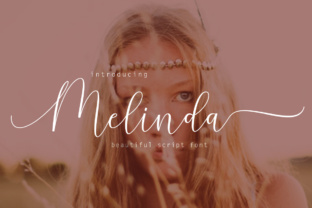
Melinda Font: Elegant Calligraphy for Handmade Products
As a small business owner and crafter, I know that the difference between a hobby project and a sellable product often comes down to typography. When designing physical goods like candle labels, wedding stationery, or apparel, the font carries as much weight as the material itself. Melinda is a modern calligraphy typeface that bridges the gap between artistic expression and commercial readability. It possesses an elegant feel with unique forms of calligraphy that mimic genuine hand-lettering without sacrificing the clean lines necessary for professional production. For those of us in the Script Amp category looking for reliable design assets, this typeface offers a sophisticated solution for headings, logos, and product branding.
Elevating Physical Products with Modern Typography
The primary challenge when selecting a script font for merchandise is ensuring it remains legible at various sizes. Melinda excels here because its letterforms are distinct rather than overly tangled. This clarity is essential when creating handmade labels for jars, bottles, or packaging. A dense, messy script might look beautiful on a screen but turns into an illegible blob when printed on a two-inch sticker or embroidered onto a tote bag. Melinda’s balanced stroke weight ensures that the elegance translates across different mediums, from glossy vinyl decals to textured cardstock.
For printable product creators, this font adds immediate perceived value to digital downloads. Whether you are designing editable wedding invitation templates or seasonal wall art, customers are drawn to typography that feels personal yet polished. The unique forms of calligraphy within Melinda provide that bespoke, custom-lettered aesthetic that buyers seek in premium printables. It allows you to offer designs that stand out in a saturated marketplace without requiring you to hand-letter every single title from scratch. This efficiency is vital for maintaining a consistent release schedule for new shop listings while keeping quality high.
Practical Applications for Crafters and Sellers
Versatility is key for any font in a maker's library. Melinda serves as a workhorse for various craft projects where emotional connection and visual appeal intersect. Here are specific ways this typeface enhances handmade and commercial products:
- Wedding Stationery Suites: Use Melinda for couple names on welcome signs, place cards, and envelope addressing. Its romantic flow pairs perfectly with formal events while remaining modern enough for contemporary celebrations.
- Product Packaging and Labels: Ideal for boutique tags, soap wrappers, and candle lids. The font’s elegance suggests luxury and care, helping small batch items compete with mass-produced brands.
- Apparel and Textiles: Because the strokes are well-defined, Melinda works beautifully for heat transfer vinyl (HTV) on t-shirts and sweatshirts. It cuts cleanly without weeding nightmares, making it a favorite for Cricut and Silhouette users.
- Social Media Branding: Create cohesive Instagram story templates or Pinterest pins. Using a consistent display font helps build brand recognition and establishes a signature style for your shop.
- Home Decor Signs: Perfect for wooden signs, acrylic door hangers, and nursery wall art. The font has enough personality to serve as the focal point of a minimalist design.
Readability and Production Considerations
While Melinda is undeniably beautiful, practical application requires mindful usage. As a display font, it is designed for short phrases, names, titles, and decorative wording rather than body text. Attempting to use this script for long paragraphs will fatigue the reader and diminish the design's impact. Instead, reserve Melinda for the hierarchy’s top tier—the elements that need to grab attention first.
When preparing files for cutting machines or small-scale printing, always test your sizing. Intricate calligraphy can sometimes lose detail when scaled down below a certain threshold. For vinyl cutting, ensure your blade is sharp and consider using a lighter grip mat to prevent tearing delicate swashes. If you are designing for print, check your proofs at actual size before sending them to production. What looks spacious on a 27-inch monitor might appear cramped on a 4x6 greeting card. Utilizing the included alternates and ligatures can help solve spacing issues; swapping a standard character for an alternate version often creates better flow and prevents awkward gaps between letters.
Strategic Font Pairing for Professional Design
A standalone script can sometimes feel incomplete. To create professional-grade layouts, pair Melinda with complementary typefaces that ground its expressive energy. Effective font pairing creates contrast and improves overall readability.
- Clean Sans Serif: Pair Melinda with a geometric sans serif font for product details, dates, or pricing. The simplicity of the sans serif highlights the ornate nature of the script without competing for attention. This combination is perfect for modern wedding invitations and minimalist packaging.
- Classic Serif: For a more traditional or vintage aesthetic, combine Melinda with a refined serif font. This pairing evokes heritage and timelessness, making it suitable for heirloom-quality items, book covers, or formal certificates.
- Bold Display: If you need stronger emphasis, use a bold, condensed display font alongside Melinda. This creates a dynamic poster-style layout ideal for sale announcements, event signage, or social media graphics.
Remember to maintain adequate whitespace between your script and supporting fonts. Crowding Melinda against other text elements negates its elegant feel. Let the calligraphy breathe to maximize its visual impact.
Licensing and Commercial Use for Small Businesses
Before incorporating Melinda into products intended for sale, verifying the commercial license is non-negotiable. As creators, we must respect intellectual property while protecting our own businesses. Most premium fonts come with specific licensing tiers. A standard desktop license typically covers physical end-products like shirts, mugs, and printed stationery sold in limited quantities. However, if you plan to sell digital templates, SVG cut files, or logo kits where the font file itself could be extracted or redistributed, you likely need an extended or commercial license.
Always review the End User License Agreement (EULA) provided with the font. Terms vary significantly between foundries. Some allow unlimited physical sales but restrict digital distribution, while others require royalty payments after a certain sales threshold. Keeping proper records of your font licenses is just as important as tracking inventory. It ensures peace of mind and protects your shop from potential legal issues. When in doubt, reach out to the type designer directly; most are happy to clarify usage rights for fellow makers.
Maximizing Creative Assets in Your Workflow
Melinda represents more than just a collection of glyphs; it is a tool for storytelling. In the handmade community, customers buy into the narrative behind the product as much as the item itself. This typeface communicates warmth, intentionality, and craftsmanship. By integrating it thoughtfully into your brand identity, you signal to buyers that every detail has been considered.
Explore the full character set to discover hidden gems. Many modern calligraphy fonts include contextual alternates that automatically adjust letter connections for a more natural handwriting appearance. Swashes and ornaments can transform a simple word into a decorative frame or divider. These built-in features save time and reduce the need for external graphic elements. Whether you are refreshing your shop banner, designing a new product line, or fulfilling a custom client order, Melinda provides the typographic foundation necessary to turn creative visions into tangible, market-ready goods. Treat this font as a core component of your production toolkit, and let its unique forms elevate the standard of everything you create.